Images Gallery | cultural differences in thailand
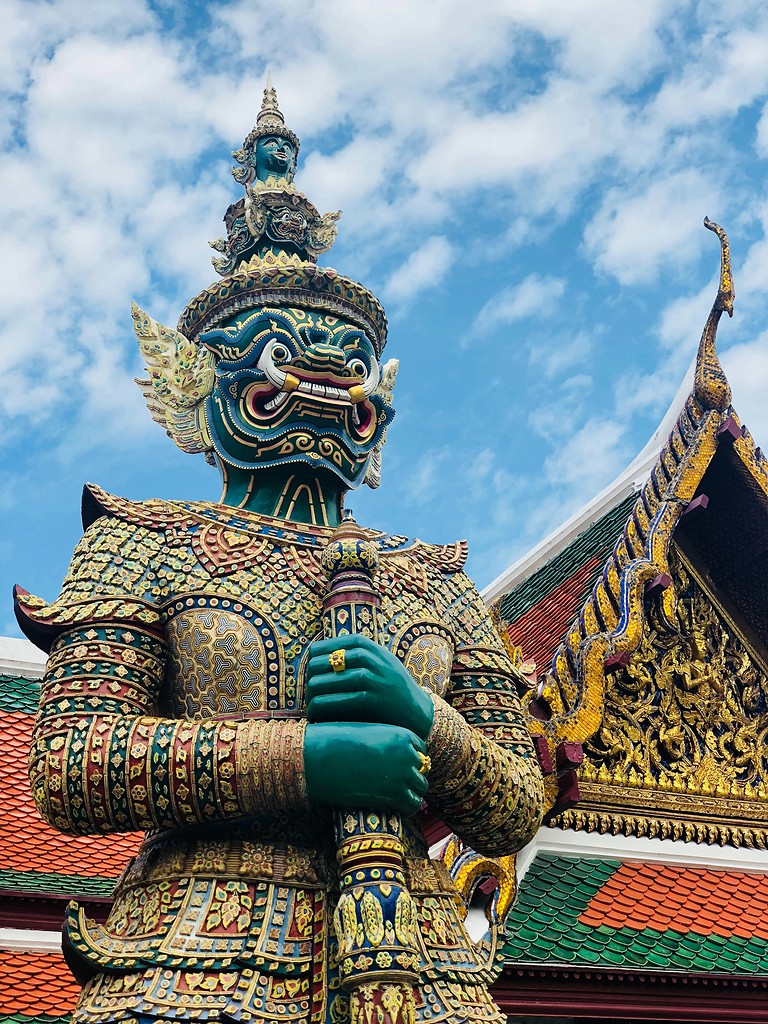
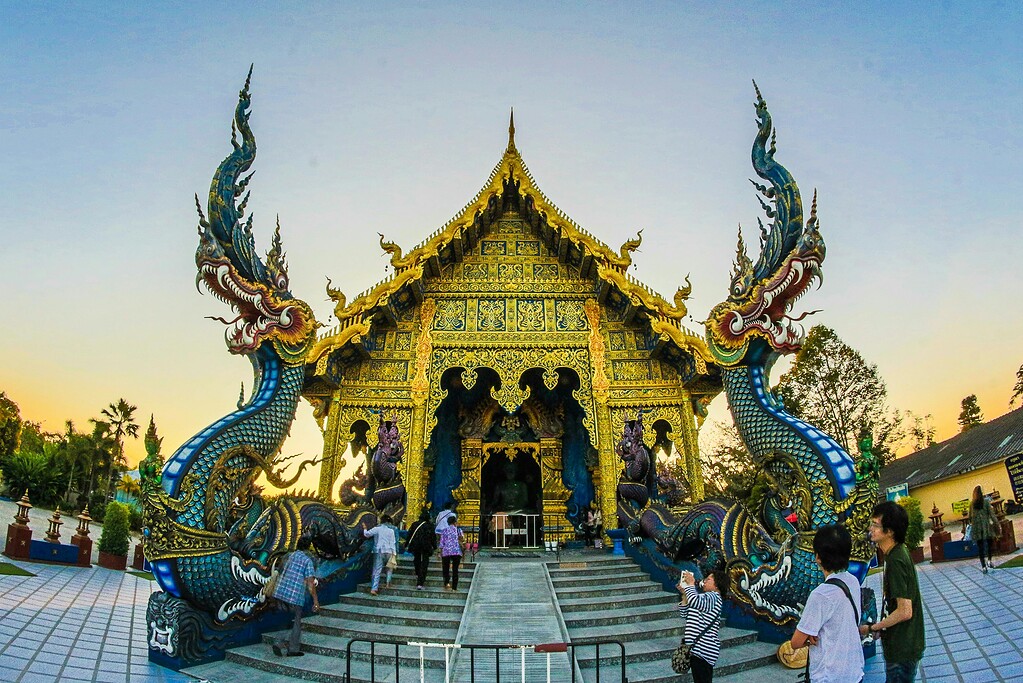
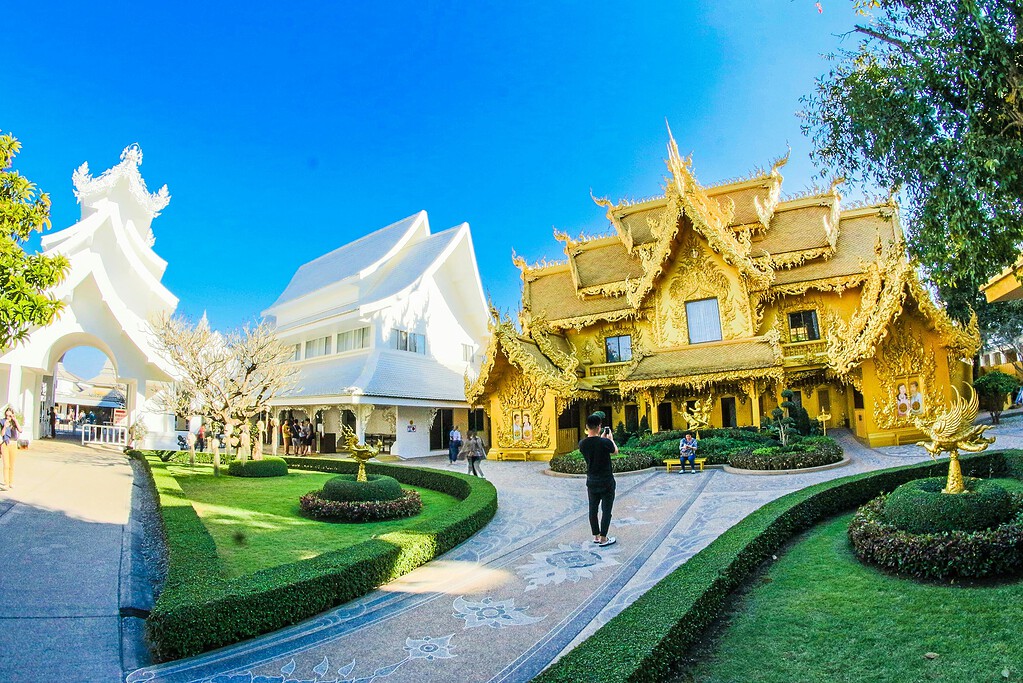
Discover the cultural differences foreigners notice when living in Thailand. Understanding Thai customs and traditions helps visitors adapt and enjoy life in the country.
This video about : cultural differences in thailand
7 Cultural Differences Foreigners Notice When Living in Thailand
Thailand is famous for its welcoming culture, friendly people, and relaxed lifestyle. Many travelers arrive expecting beautiful beaches and delicious food, but foreigners who stay longer quickly discover that daily life in Thailand also includes unique cultural habits and social norms.
Understanding these cultural differences can make living or traveling in Thailand much easier. Rather than being surprising or confusing, these differences often reflect the country’s deep traditions, social values, and respect for harmony.
In this guide, we explore several cultural differences foreigners commonly notice when living in Thailand and how understanding them can help visitors adapt more comfortably.
Understanding the Thai Concept of “Mai Pen Rai”
One of the most famous Thai phrases is “mai pen rai,” which roughly translates to “never mind” or “it’s okay.”
This phrase reflects a cultural attitude that values calmness and avoiding unnecessary stress. In many situations where foreigners might become frustrated, Thai people often respond with a relaxed perspective.
For example, if a small mistake happens or a delay occurs, Thai people may simply say “mai pen rai.” This cultural mindset encourages patience and emotional balance rather than confrontation.
Foreigners who understand this concept often find it easier to adapt to everyday life in Thailand.
Respect for Hierarchy and Seniority
Thai society places strong importance on respect for elders and authority figures.
Age and social position influence many interactions. Younger people often show respect by speaking politely, lowering their head slightly, or greeting elders with the traditional Thai wai gesture.
In workplaces, hierarchy is also visible. Managers and senior staff are usually treated with clear respect, and decisions may follow traditional structures.
For foreigners used to more informal environments, this cultural respect can sometimes feel unfamiliar but is an important part of Thai society.
Why “Saving Face” Matters in Thai Culture| cultural differences in thailand
Another key cultural concept is “saving face.”
Saving face means avoiding embarrassment, criticism, or conflict in public situations. Thai culture values harmony and maintaining respectful relationships.
For example:
- Direct criticism is often avoided.
- People may speak indirectly to prevent discomfort.
- Public arguments are considered inappropriate.
Understanding this principle helps foreigners communicate more effectively and maintain positive interactions with locals.
Thai Approach to Time and Daily Life
In Thailand, the pace of life is often more relaxed than in many Western countries.
While business schedules and formal appointments are taken seriously, everyday situations may follow a slower rhythm.
For example:
- Meals are enjoyed socially rather than rushed.
- Traffic delays are accepted as part of daily life.
- Social gatherings may start later than planned.
For visitors used to strict schedules, this difference can initially feel surprising. However, many foreigners eventually appreciate the more relaxed lifestyle.
Public Behavior and Social Etiquette
Public behavior in Thailand is generally calm and respectful.| cultural differences in thailand
Certain actions that may seem normal elsewhere are discouraged in Thai society.
For example:
- Raising your voice in public is considered impolite.
- Public displays of anger are frowned upon.
- Showing respect to others is highly valued.
Visitors who behave politely and respectfully are usually welcomed warmly by locals.
Food Culture and Shared Meals
Food is a central part of Thai life and culture.
Meals are often shared among friends or family members rather than ordered individually. Dishes are placed in the center of the table so everyone can try different flavors.
This style of dining encourages social interaction and reflects Thailand’s strong community values.
Foreigners living in Thailand often discover that sharing meals becomes one of the most enjoyable parts of daily life.
Respect for the Monarchy and National Symbols
Thailand holds deep respect for its monarchy and national symbols. | cultural differences in thailand
Visitors will notice that images of the royal family are displayed in many public places, and national ceremonies often celebrate the country’s traditions.
Foreigners should always behave respectfully regarding these symbols, as they hold significant cultural importance in Thai society.
Understanding and respecting these traditions helps visitors integrate smoothly into Thai culture.
How Foreigners Can Adapt to Thai Culture
Adapting to a new culture takes time, but Thailand’s friendly atmosphere makes the process easier.
Some simple tips include:
- Observe how locals interact with each other
- Speak politely and avoid confrontation
- Show respect toward elders and traditions
- Remain patient in daily situations
By approaching cultural differences with curiosity and respect, foreigners often find Thailand to be a welcoming and comfortable place to live.
Final Thoughts |cultural differences in thailand
Thailand’s culture is shaped by centuries of traditions, social harmony, and strong community values. While foreigners may notice differences at first, these customs often become one of the most rewarding aspects of life in the country.
Understanding cultural habits such as the “mai pen rai” mindset, respect for hierarchy, and shared meals allows visitors to appreciate Thailand more deeply and enjoy meaningful experiences during their stay.
FAQ |cultural differences in thailand
What cultural differences do foreigners notice in Thailand? | cultural differences in thailand
Foreigners often notice the relaxed attitude toward problems, strong respect for hierarchy, and the importance of maintaining harmony in social interactions.
What does “mai pen rai” mean?
“Mai pen rai” is a Thai phrase meaning “never mind” or “it’s okay.” It reflects the cultural preference for calmness and avoiding unnecessary stress.
Is Thailand welcoming to foreigners?
Yes. Thailand is widely known for its hospitality, and many foreigners find the country friendly and welcoming.