
healthcare in Thailand
healthcare in Thailand for foreigners
Thailand hospital costs
health insurance in Thailand
private hospitals in Thailand
Last updated: February 2026
Healthcare in Thailand is one of the main reasons foreigners choose to live, retire, or work in the country. In this 2026 guide, we explain how healthcare in Thailand works for foreigners, including hospital costs, private vs public hospitals, insurance requirements, and what expats should expect.
If you’re planning to live in Thailand or stay long term, understanding how healthcare works is essential. This guide explains public vs private hospitals, costs, insurance requirements, and what foreigners should expect in 2026.
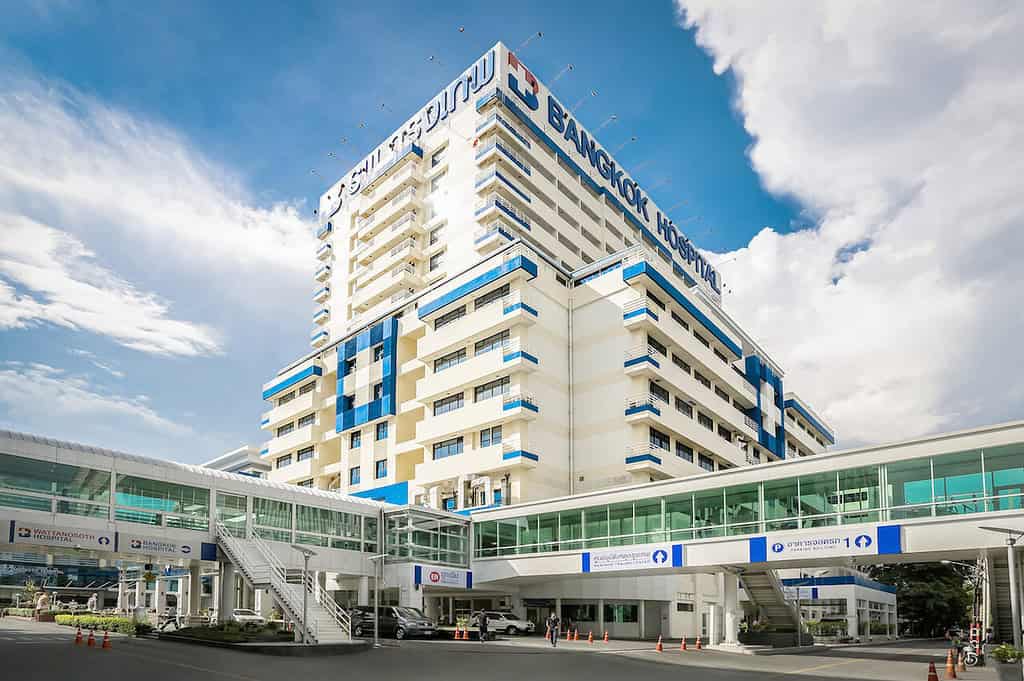
Is Healthcare in Thailand Good?
Yes — Thailand has one of the best healthcare systems in Southeast Asia.
Major cities like Bangkok, Chiang Mai, and Phuket have internationally accredited hospitals, English-speaking doctors, and modern medical technology.
Thailand is also a global medical tourism hub, attracting patients from:
- USA
- Europe
- Australia
- Middle East
Many private hospitals meet international standards comparable to Western countries — but at much lower prices.
Public vs Private Hospitals in Thailand
There are two main types of hospitals in Thailand:
1. Public Hospitals
Public hospitals are government-operated and very affordable.
Pros:
- Very low cost
- Good medical standards
- Suitable for basic treatment
Cons:
- Long waiting times
- Limited English support
- Crowded facilities
Public hospitals are commonly used by Thai citizens and work well for routine care.
2. Private Hospitals
Private hospitals are the preferred option for foreigners.
Pros:
- Short waiting times
- English-speaking staff
- Modern equipment
- Comfortable facilities
- International patient departments
Cons:
- Higher cost compared to public hospitals
However, even private hospitals in Thailand are often much cheaper than hospitals in the US, UK, or Australia.
How Much Does Healthcare Cost in Thailand?
Healthcare in Thailand is affordable compared to Western countries.
Here are average private hospital costs:
- Doctor consultation: $25–$60
- Specialist consultation: $50–$120
- Blood tests: $30–$100
- X-ray: $40–$100
- MRI scan: $400–$900
- Overnight hospital stay: $100–$300
Major surgery can cost significantly less than in the US — sometimes 50–70% cheaper.
Public hospitals are even cheaper, but service levels are more basic.
Do Foreigners Need Health Insurance in Thailand?
If you are on:
- Retirement visa
- Long-term visa
- Elite visa
- Work permit
You may need health insurance depending on visa type.
Even if not mandatory, health insurance is strongly recommended.
Why?
Because while everyday medical care is affordable, serious emergencies (ICU, surgery, accidents) can become expensive.
Best Health Insurance Options for Expats
Foreigners in Thailand usually choose:
- International health insurance
- Travel medical insurance
- Local Thai insurance plans
International insurance provides:
- Global coverage
- Higher limits
- Access to top private hospitals
Local Thai insurance is cheaper but may have lower coverage limits.
Always compare:
- Annual coverage limit
- Inpatient vs outpatient coverage
- Emergency evacuation coverage
- Age restrictions
Can You Use US or European Insurance in Thailand?
Some international insurance plans cover treatment in Thailand.
However:
- Domestic US insurance usually does NOT cover overseas treatment.
- You may need international or expat coverage.
Always check your policy details before traveling or relocating.
Emergency Healthcare in Thailand
Thailand has reliable emergency services.
Emergency number: 1669
Ambulances are available in major cities, but response time can vary depending on location.
In serious cases, private hospitals provide excellent emergency care, especially in Bangkok.
If you have insurance, contact your provider immediately after admission.
Pharmacies and Medication in Thailand
Pharmacies are widely available throughout Thailand.
Many medications that require prescription in Western countries are available over the counter in Thailand.
However:
- Always consult a doctor for serious conditions.
- Avoid self-medication for complex health issues.
Pharmacists in tourist areas usually speak basic English.
Healthcare in Bangkok vs Other Cities
Bangkok has the most advanced hospitals and medical specialists.
Other cities with strong healthcare infrastructure:
- Chiang Mai
- Phuket
- Pattaya
Rural areas may have more limited facilities, and serious cases are often transferred to major city hospitals.
If you plan to live outside a big city, make sure you understand where the nearest private hospital is located.
Is Thailand Safe for Surgery and Major Procedures?
Yes.
Thailand is internationally known for:
- Cosmetic surgery
- Dental procedures
- Orthopedic surgery
- Heart surgery
- IVF and fertility treatment
Many surgeons are internationally trained and speak English fluently.
Always:
- Research the hospital
- Check doctor credentials
- Confirm total cost in writing
Healthcare for Retirees in Thailand
Thailand is one of the top retirement destinations in Asia.
Retirees benefit from:
- Affordable doctor visits
- High-quality private hospitals
- Lower medication costs
However, health insurance premiums increase with age.
If you plan to retire in Thailand long-term, secure health insurance before age-related exclusions begin.
What Happens If You Don’t Have Insurance?
Private hospitals may require:
- Deposit payment before treatment
- Credit card guarantee
- Full payment before discharge
Public hospitals are cheaper but may not offer the same comfort level or English communication.
For emergencies, hospitals will stabilize patients first — but payment arrangements follow.
Cost Comparison: Thailand vs USA
Example comparison:
- Doctor visit in USA: $150–$400
- Doctor visit in Thailand: $25–$60
- MRI in USA: $1,500–$3,000
- MRI in Thailand: $400–$900
The price difference is one of the main reasons Thailand attracts medical tourists.
Pros and Cons of Healthcare in Thailand
Pros
- Affordable treatment
- High-quality private hospitals
- Short waiting times
- English-speaking doctors
- Modern medical equipment
Cons
- Insurance required for long stays
- Rural areas have limited facilities
- Public hospitals can be crowded
Final Verdict: Is Healthcare in Thailand Good for Expats?
How Much Does Health Insurance Cost in Thailand?
Yes.
Thailand offers one of the best balances of quality and affordability in Asia.
For foreigners, the key is simple:
- Use private hospitals when possible
- Have proper health insurance
- Live near a major city for best access
With proper planning, healthcare in Thailand can be both reliable and cost-effective in 2026.
Frequently Asked Questions
Is healthcare free in Thailand for foreigners?
No. Public healthcare is subsidized for Thai citizens, but foreigners must pay or use insurance.
Are Thai hospitals safe?
Yes, especially private hospitals in major cities.
Do I need insurance for a Thailand retirement visa?
Frequently Asked Questions
Is healthcare free in Thailand for foreigners?
No. Public healthcare is subsidized for Thai citizens, but foreigners must pay or use insurance.
Are Thai hospitals safe?
Yes, especially private hospitals in major cities.
Do I need insurance for a Thailand retirement visa?
Frequently Asked Questions
Is healthcare free in Thailand for foreigners?
No. Public healthcare is subsidized for Thai citizens, but foreigners must pay or use insurance.
Are Thai hospitals safe?
Yes, especially private hospitals in major cities.
Do I need insurance for a Thailand retirement visa?
Some visa types require minimum insurance coverage.
Thailand Retirement Visa Health Insurance Requirements 2026 (Full Guide) – SLT