
Last Updated on: 10 March 2026
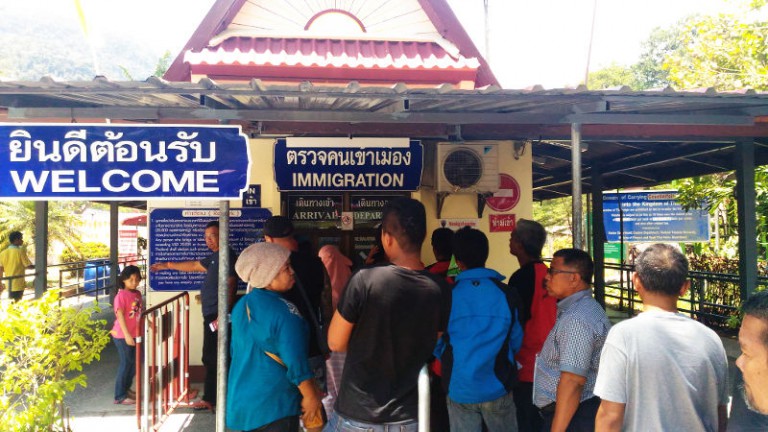
Thailand has long been a favorite destination for tourists, digital nomads, and long-stay travelers. For many years, one common method used by visitors to stay longer in the country was the visa run..Thailand Visa Run Crackdown
However, in recent years Thai immigration authorities have become much stricter about travelers repeatedly entering the country using visa exemptions or tourist visas.
Many travelers now report increased questioning at airports, closer inspection of travel history, and in some cases being denied entry after multiple visa runs.
If you plan to stay in Thailand long-term or visit frequently, it is important to understand how visa runs work today and why immigration is paying closer attention.
What Is a Thailand Visa Run?
A visa run is when a traveler leaves Thailand briefly and then re-enters the country to receive a new visa exemption stamp or activate a new tourist visa.
In the past, many visitors used this method to extend their stay in Thailand without applying for long-term visas.
Typical visa run patterns include:
- Flying to a nearby country and returning the same day
- Crossing a land border and returning immediately
- Leaving Thailand every few months to reset a visa exemption
Popular visa run destinations include nearby countries such as Cambodia, Laos, and Malaysia.
For many years this practice was widely used by long-term visitors.
Why Thailand Is Cracking Down on Visa Runs
Thai immigration authorities have gradually tightened their approach to visa runs.
The main reason is that many people were effectively living in Thailand using tourist entries, which were originally intended only for short-term visits.
Several factors contributed to the stricter approach.
Long-Term Stays on Tourist Visas
Some travelers stayed in Thailand for years by leaving the country briefly every few months and returning with a new entry stamp.
This created a situation where people were residing in Thailand without proper long-term visas.
Increase in Digital Nomads
Remote workers and freelancers often choose Thailand because of its lifestyle and relatively low cost of living.
However, many of them enter using tourist visas or visa exemptions while continuing to work online.
Although remote work is a complex legal issue, immigration authorities sometimes view long-term tourist stays as suspicious.
Illegal Employment Concerns
Thailand has strict laws regarding employment by foreigners.
Working without a valid work permit is illegal.
If immigration officers suspect someone may be working in Thailand while entering as a tourist, they may question the traveler more carefully.
Immigration Enforcement Changes
Over the past decade Thailand has introduced stronger immigration enforcement systems.
Travel history is now easier for officers to review, allowing them to identify travelers who repeatedly enter the country over short periods.
How Many Times Can You Enter Thailand on Visa Exemption?
This is one of the most common questions travelers ask.
Officially, Thailand does not publish a strict limit on how many times a person can enter using visa exemption or tourist visas.
However, immigration officers have full discretion to decide whether a traveler should be allowed entry.
Travelers who enter Thailand repeatedly within short periods may be questioned about their travel plans.
In some situations, frequent entries can lead to additional scrutiny or refusal of entry.
This is why many experienced travelers recommend avoiding excessive visa runs.
Airports Where Travelers Report Increased Screening
Travelers frequently report stricter immigration checks at several major Thai airports.
These include:
- Bangkok Suvarnabhumi Airport
- Don Mueang Airport in Bangkok
- Phuket International Airport
At these airports immigration officers often review travel history carefully and may ask additional questions about the purpose of the visit.
This does not mean travelers will automatically face problems, but frequent visitors should be prepared to answer questions about their travel plans.
Signs Immigration May Think You Are Living in Thailand
Immigration officers may become suspicious if certain travel patterns appear in the system.
Some examples include:
Frequent short trips outside Thailand followed by immediate return.
Very long stays during each visit.
Multiple entries using visa exemptions or tourist visas within a short period.
Lack of a clear travel plan or onward ticket.
When officers see this pattern, they may question whether the traveler is using tourist entries to live in Thailand long-term.
Can Visa Runs Lead to Denied Entry? Thailand Visa Run Crackdown
Yes, in some situations they can.
Although many travelers continue to enter Thailand without issues, there are increasing reports of travelers being refused entry after multiple visa runs.
Immigration officers may decide that a traveler is attempting to live in Thailand without the correct visa.
In such cases, entry can be refused even if the traveler technically qualifies for visa exemption.
If you want to understand how this situation happens, you can read the full explanation in this guide about why travelers can be denied entry to Thailand even with a valid visa.
What Happens If Immigration Refuses Entry
If immigration decides not to allow entry, the traveler will usually remain in the airport transit area.
They will typically be placed on the next available flight back to the country they arrived from.
In some cases travelers may need to purchase a new flight ticket.
A refusal stamp may also appear in the passport, which could make future entries more difficult.
While these situations are still relatively rare compared to the millions of tourists entering Thailand each year, they do happen.
Alternatives to Visa Runs
For travelers planning to stay longer in Thailand, there are several alternatives that may be more appropriate than repeated visa runs.
Depending on personal circumstances, possible options include:
Education visas for those studying language courses.
Work visas for people employed by Thai companies.
Retirement visas for eligible applicants over a certain age.
Long-term residency programs offered by the Thai government.
Choosing the correct visa can reduce the risk of immigration issues and make long stays in Thailand much easier.
Travel Preparation Tips
Travelers entering Thailand should always be prepared to answer basic immigration questions.
It is also helpful to carry certain documents that immigration officers may request.
Examples include:
Proof of accommodation such as a hotel booking.
A return or onward flight ticket.
Proof of sufficient funds for the stay.
Having these documents available can help avoid unnecessary delays during the immigration process.
Frequently Asked Questions
Are visa runs illegal in Thailand?
Visa runs themselves are not illegal, but immigration officers may refuse entry if they believe a traveler is abusing tourist visas to live in Thailand long-term.
Can Thailand stop you from entering after many visits?
Yes. Immigration officers have full authority to refuse entry if they believe the traveler does not meet the conditions for visiting Thailand.
Do travelers still do visa runs in 2026?
Some travelers still use visa runs, but many report increased questioning and stricter immigration checks compared to previous years.
What is the safest way to stay long-term in Thailand?
Applying for the correct long-term visa is generally the safest and most reliable way to stay in Thailand for extended periods.
Final Thoughts
Thailand remains one of the most welcoming travel destinations in the world, attracting millions of visitors every year.
However, immigration authorities are paying closer attention to travelers who repeatedly enter the country using visa exemptions or tourist visas.
While visa runs were once very common, travelers today should be aware that immigration officers may question frequent visitors more carefully.
Understanding the rules and preparing the proper documents can help ensure a smooth entry when visiting Thailand.
Read more about latest Thai immigration Guides,Updates and news